- +9189820 20700
- mahisrathod@gmail.com

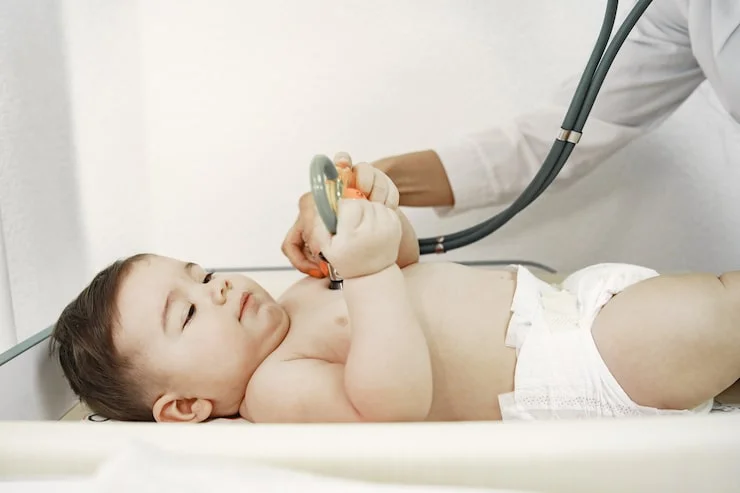
Before leaving the maternity ward, parents may receive feeding instructions, a vaccination card, and a date for review. Once home, those instructions meet real life: a sleepy baby, an uncertain latch, changing nappies, and advice from several well-meaning relatives.
If you are searching for a Neonatal Specialist in Indore, begin with care that helps you understand your baby’s health and recognise when assistance is needed. The aim is a clear plan for feeding, growth, observation, and follow-up.
Dr Mahendra Singh Rathod can be contacted for a newborn consultation to discuss early concerns and appropriate next steps.
The neonatal period covers the first 28 days after birth. During this time, babies are adjusting to feeding, temperature regulation, and life outside the womb.
Neonatal care includes routine assessment, support for families, and evaluation of problems that may need treatment. Depending on the baby’s needs, care may involve a paediatrician, a neonatologist, or a hospital newborn team.
A healthy baby may need scheduled checks and feeding guidance. A premature or unwell baby may require closer monitoring or hospital-based treatment.
An outpatient appointment should never delay urgent care for a baby showing danger signs.
Keep the discharge team’s contact instructions accessible, and identify where emergency assessment is available.
Seek urgent medical help if your newborn:
Jaundice appearing within the first 24 hours also needs urgent assessment.
Breathing difficulty, altered responsiveness, or blue colour requires emergency care immediately. Avoid waiting for a routine appointment or trying home remedies first.
A consultation for newborn care in Indore looks beyond a single symptom. The doctor considers the pregnancy, birth, hospital course, and the baby’s condition since discharge.
The assessment may include:
Parents’ observations are valuable. Mention changes in feeding, wakefulness, urine output, or behaviour, even when you are unsure whether they are important.
A useful visit ends with instructions you can explain back in your own words.
Early feeding can take practice. The frequency of feeds is only one part of the assessment; attachment, swallowing, comfort, weight, and nappy output also matter.
For feeding support for newborns, describe what happens during a feed. Does the baby attach comfortably, stay engaged, or become too sleepy to continue? Mention pain during breastfeeding or difficulty following the feeding plan.
Breastfeeding support may involve observing positioning and attachment. If expressed milk or formula is advised, ask for clear instructions about amounts, preparation, and follow-up.
Premature babies and babies with specific health concerns may need an individual feeding schedule. Follow that plan rather than copying another baby’s routine.
Poor feeding accompanied by reduced activity, breathing difficulty, or temperature changes needs prompt medical assessment.
Newborn jaundice causes yellowing of the skin or eyes because of bilirubin accumulation. It is common, but the baby’s age, bilirubin level, and overall condition determine the next step.
Colour alone cannot reliably establish whether treatment is needed. The doctor may recommend a skin measurement or blood test and arrange review based on the result.
Jaundice in the first day of life requires urgent assessment. Worsening yellowing, poor feeding, or difficulty waking should also be reported promptly.
Some babies need monitoring and feeding support; others require phototherapy, which uses specialised medical light.
Sunlight is not a safe substitute for jaundice treatment. Follow the recommended testing and review plan, even when the baby appears comfortable.
Premature baby care often continues after discharge. Families may need guidance on feeding, warmth, growth monitoring, and recognising illness.
Before going home, ask the neonatal team to explain:
Not every small baby has the same requirements. The plan should reflect gestational age, current weight, medical history, and the progress made in hospital.
Bring discharge records to each consultation so the outpatient team can continue the existing plan.
Small routines can make newborn care easier to organise.
Place your baby on their back for every sleep, on a firm, flat sleep surface designed for infants. Keep pillows, soft toys, loose bedding, and positioners out of the sleep area.
Share a room while providing a separate sleep surface. Avoid overheating and return the baby to their own sleep space before you sleep.
Wash hands before handling the baby. Keep the umbilical stump clean and dry, following the clinical team’s instructions.
Avoid applying household substances or unprescribed products. Report redness spreading around the cord, discharge, or signs that the baby is unwell.
Agree on who records feeds, gives prescribed medicines, and keeps track of appointments. A simple written note can help tired caregivers communicate without relying on memory.
Newborn follow-up visits help review feeding, weight, jaundice, and concerns that may become clearer after discharge.
Confirm the first review date before leaving the hospital. The timing depends on discharge age, feeding, jaundice results, prematurity, and other clinical findings. Some babies need an earlier review.
Bring the vaccination card and check which birth doses have been given. Ask about the next vaccinations under the recommended schedule, along with hearing and other newborn screening results.
For families arranging neonatal care in Indore, discuss where follow-up will take place and how to obtain urgent assessment between appointments.
Carry the discharge summary, birth details, vaccination record, screening reports, and current prescriptions. Include records from any newborn unit admission.
Write down two or three concerns that matter most to you. A short record of feeds and nappies may help the doctor understand recent changes.
Explain any difficulty reaching appointments or following the care plan. Families travelling within or to Indore, Madhya Pradesh, may need to coordinate reviews and investigations.
Before leaving, confirm the next visit, any recommended tests, and the signs that mean you should return sooner.
No. Many babies can receive routine care and planned follow-up. Babies who are premature, unwell, or need specialised monitoring may require a newborn unit or NICU, depending on assessment.
Feeding effectiveness, weight trend, hydration, and urine and stool patterns are assessed together. Seek help if feeding is difficult or output changes; do not judge intake from crying alone.
Yes. Follow the discharge team’s bilirubin and review plan. Jaundice appearing in the first 24 hours needs urgent assessment, even if other symptoms are absent.
Follow the recommended schedule, including any birth doses. Take the vaccination record to your appointment so missed doses or uncertainties can be addressed promptly.
Do not delay urgent in-person assessment for breathing difficulty, poor responsiveness, seizures, or other serious symptoms. Contacting the treating team can help coordination, but emergency care comes first.
Parents deserve practical explanations and a plan they can follow at home. Bring your questions, share what you have noticed, and ask for clarification whenever an instruction is unclear.
Contact Dr Mahendra Singh Rathod to arrange a newborn consultation and discuss feeding, growth, jaundice, and appropriate follow-up.
Contact Us Today to Schedule Your Baby’s Newborn Consultation.
Pediatrician in Indore | child doctor in Indore | pediatrician near me | Baby doctor in Indore | pediatrician near me | Newborn doctor near me | pediatric clinic in Indore | Vaccination doctor in Indore | Child immunization center Indore | Neonatologist in Indore | Child growth specialist Indore | doctor for newborn baby in Indore | Pediatric neurologist Indore | Doctor for child fever in Indore | doctor for child cough in Indore | Doctor for child digestion problem Indore | child asthma specialist Indore | 24-hour pediatrician in Indore | Emergency child doctor Indore | pediatric hospital Indore
| Tags: | #Neonatal Specialist in Indore |


