- +9189820 20700
- mahisrathod@gmail.com
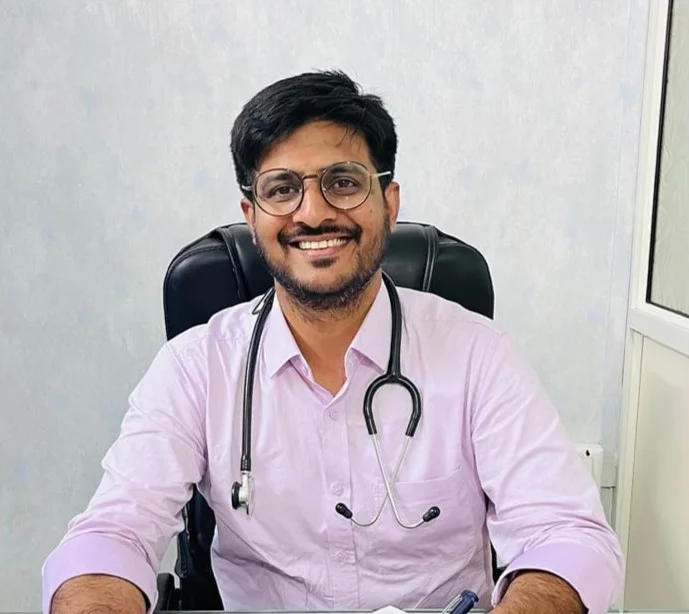
When your child feels unwell, it can be hard to judge whether a little rest is enough or a medical visit is needed. Searching for a Child Doctor Near Me in Indore is often the first step towards getting clear answers. Parents can consult Dr Mahendra Singh Rathod to discuss symptoms, everyday health concerns, and their child’s ongoing care.
A pediatrician in Indore can assess childhood illnesses, monitor growth and development, review vaccinations, and guide families on feeding and preventive care. A helpful consultation should leave you knowing what to do next and which changes to watch for.
Children’s Health Needs Change as They Grow
A baby’s feeding pattern, a toddler’s speech, and a schoolchild’s sleep habits raise different questions. Pediatric care brings these concerns into conversations that reflect the child’s age and stage of development.
Visits are valuable even when there is no obvious illness. Routine appointments offer time to discuss:
It helps to keep these appointments separate from the rush of a sick visit when possible. Parents often remember questions about daily routines only after the immediate illness has settled.
What You Notice at Home Matters
Children cannot always explain how they feel. Your observations can help the doctor understand what has changed.
Before a child health consultation, note:
Bring prescriptions, previous reports, and the vaccination record. Mention your main concern at the beginning: perhaps your child is drinking less, waking repeatedly, or missing school.
You do not need medical language. A clear description of what you have seen is useful.
Common Illnesses Need an Individual Assessment
Two children with similar symptoms may need different care. Age, medical history, examination findings, and the child’s overall condition influence the plan.
Fever
For fever in children, a thermometer reading is useful, but feeding, breathing, alertness, and hydration also matter. Seek medical advice when your child seems unusually unwell, symptoms worsen, or you are concerned.
A baby younger than three months with a temperature of 38°C or higher needs urgent medical assessment.
Coughs and Colds
A cough does not automatically require antibiotics. These medicines do not treat viruses responsible for common colds. A doctor can assess whether there are signs of a bacterial infection or another problem requiring treatment.
Avoid using leftover antibiotics or copying another child’s prescription.
Vomiting and Loose Stools
With childhood diarrhoea, replacing lost fluid is important. Oral rehydration solution may be recommended, and breastfeeding should continue. A child who cannot drink, keeps vomiting, or shows signs of dehydration needs prompt assessment.
Ask for clear instructions suited to your child’s age and condition.
Look at Growth, Feeding, and Development Together
Parents sometimes worry because their child looks smaller than classmates or eats less than a sibling. Child growth assessment looks at measurements over time and considers the wider health picture.
Share any concerns about weight changes, a very restricted diet, feeding difficulties, or daily eating habits. Describe what your child usually eats rather than only what happened at one difficult meal.
Development deserves attention too. Questions about speech, movement, play, learning, or social interaction belong in a pediatric consultation. If you notice a delay or loss of a previously learned skill, raise it with the doctor instead of relying on comparisons with other children.
Keep Vaccination Records Easy to Follow
Child vaccination helps protect against specific infections and their complications. Bring the vaccination card to appointments so completed doses and upcoming requirements can be reviewed.
If a dose was missed, ask about an appropriate catch-up plan. The next step depends on the vaccine, your child’s age, and earlier doses.
Keep a readable photograph of the record as a backup. Before leaving a vaccination visit, confirm:
A written reminder is easier to follow than trying to remember dates during a busy week.
Choose Nearby Care That Fits Your Family’s Routine
Searching for a Child Doctor Near Me in Indore is about finding care you can reach and communicate with comfortably.
For families around Bengali Square, Kanadia Road, and other parts of Indore, consider travel time, appointment arrangements, and the practicalities of returning for review. Confirm the current clinic location and timings before travelling.
During the consultation, look for explanations you understand and an opportunity to ask questions. You should know the purpose of any recommended medicine or investigation and what follow-up is needed.
Ask how to obtain advice if symptoms change. Also clarify where to seek urgent care outside clinic hours.
Recognise Signs That Need Urgent Help
Some symptoms require immediate attention rather than waiting for a routine appointment. Seek emergency care if your child:
Poor drinking, markedly reduced urination, unusual drowsiness, or worsening illness also need prompt medical assessment. Trust your concern when your child seems seriously different from usual.
Leave the Appointment with a Clear Plan
Before going home, check that you understand the advice. Ask how to give prescribed medicines, how long to use them, and what improvement to expect.
Confirm when your child should be reviewed and which symptoms mean you should return sooner. If another caregiver gives medicines, share the written instructions with them.
For ongoing child healthcare in Indore, keeping reports and prescriptions together makes future visits easier and helps you explain what happened between appointments.
Frequently Asked Questions
1. Should my child see a doctor only when sick?
No. Routine visits also support growth monitoring, developmental review, vaccination planning, and discussions about nutrition, sleep, and behaviour. Ask about a check-up schedule suited to your child.
2. Does every fever need an antibiotic?
No. Antibiotics treat certain bacterial infections and do not work against viruses. Whether one is needed depends on the doctor’s assessment, not the temperature alone.
3. What should I bring to the first appointment?
Carry vaccination records, earlier prescriptions, relevant reports, and details of current medicines. A short symptom timeline and your main questions can help you use the appointment well.
4. Can I discuss picky eating during a consultation?
Yes. Explain your child’s usual meals, accepted foods, feeding difficulties, and any growth concerns. The doctor can assess whether further advice or evaluation is needed.
5. What happens if a vaccination is overdue?
Bring the record for review. The doctor can identify missing doses and explain a suitable catch-up plan based on your child’s vaccination history.
Take the Next Step for Your Child’s Health
Whether you are concerned about a new symptom or have questions about everyday care, a conversation can help you make informed decisions. Consult Dr Mahendra Singh Rathod to discuss your child’s health, share your observations, and understand the recommended next steps.
Keep your questions and records ready, and make room for the concerns that matter to your family. Contact Us today to book a child health consultation in Indore.
Pediatrician in Indore | child doctor in Indore | pediatrician near me | Baby doctor in Indore | pediatrician near me | Newborn doctor near me | pediatric clinic in Indore | Vaccination doctor in Indore | Child immunization center Indore | Neonatologist in Indore | Child growth specialist Indore | doctor for newborn baby in Indore | Pediatric neurologist Indore | Doctor for child fever in Indore | doctor for child cough in Indore | Doctor for child digestion problem Indore | child asthma specialist Indore | 24-hour pediatrician in Indore | Emergency child doctor Indore | pediatric hospital Indore
| Tags: | #Child Doctor Near Me in Indore |


